Field guide · 12 species

A small field guide to what we grow.

Twelve species, each with a story. Some are crowd favorites, some are oddballs we couldn't stop ourselves from cultivating. Here's what they taste like, how to cook them, and when to expect them.

Currently fruiting6 species
Coming soonCauliflower, Hen
UpdatedThis morning
Blue Oyster Yellow Oyster Field Oyster Lion's Mane Chestnut Pioppino Cauliflower Hen of the Woods Morel Chanterelle Porcini Chicken of the Woods Puffball Turkey Tail West Coast Reishi
Pleurotus ostreatus

Blue Oyster

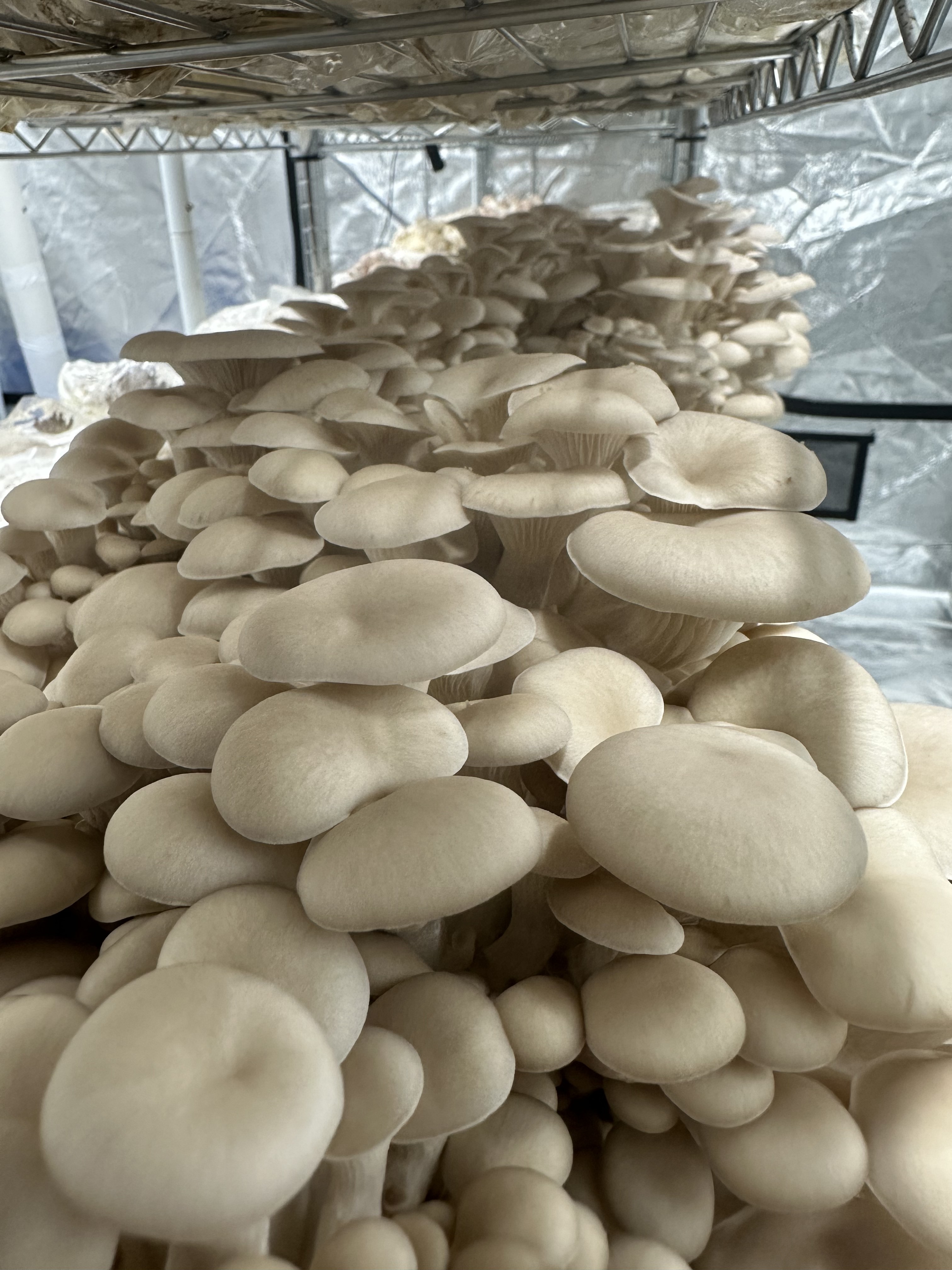
Our workhorse. Steel-blue caps that lighten as they age, with a clean, almost seafood-like flavor and a satisfying chew. The mushroom we recommend if you've never tried "real" mushrooms before.

Tear them into ribbons and they crisp into something close to fried clams; left whole, they soak up garlic butter like a sponge. Our most requested mushroom by people who say they "don't like mushrooms" — we've yet to lose that argument.

  • TextureTender, layered
  • FlavorMild, anise-clean
Crispy oven-baked Pasta Stir-fry Ratatouille
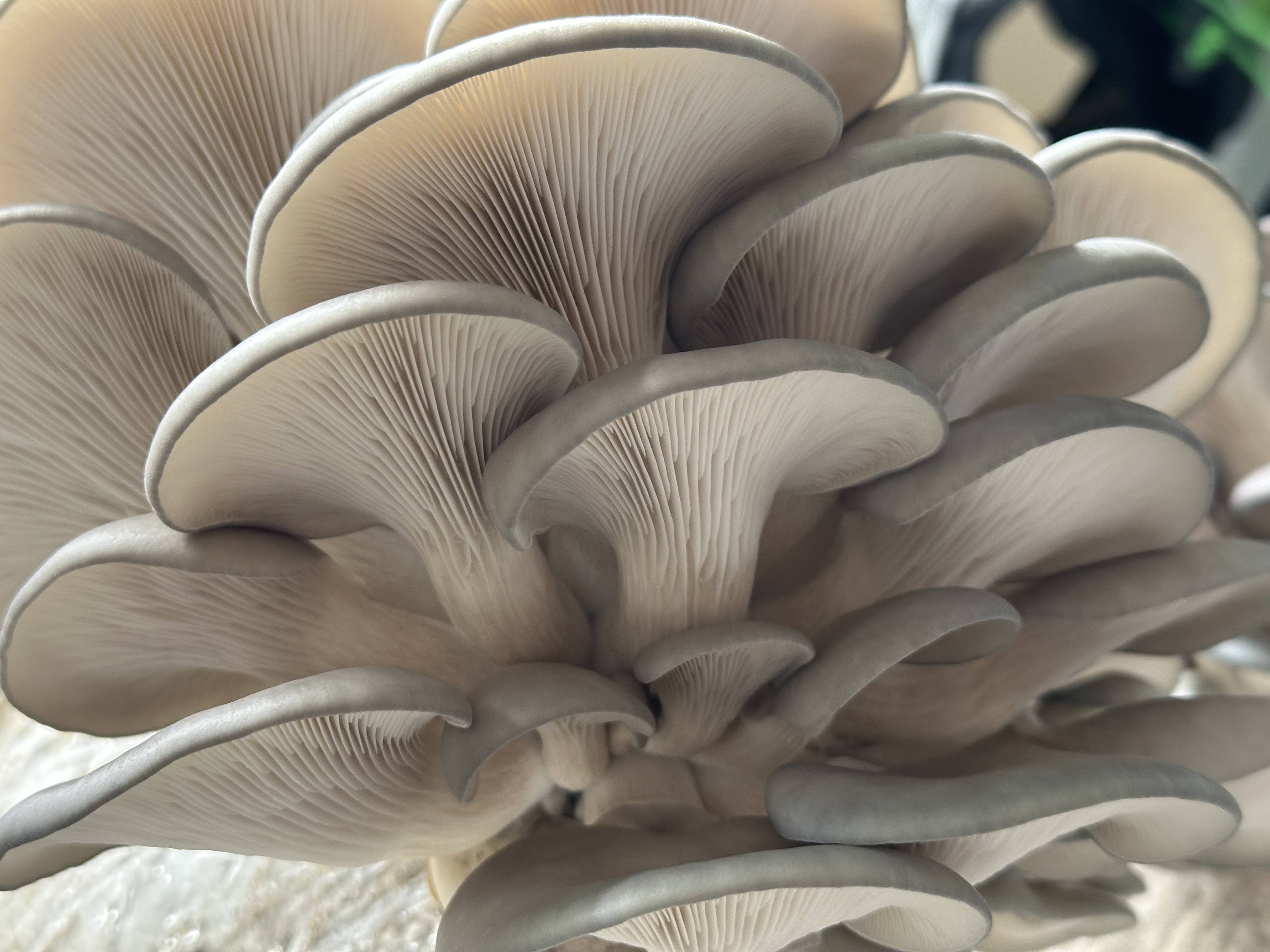
Blue Oyster mushroom cluster
Pleurotus citrinopileatus

Yellow Oyster

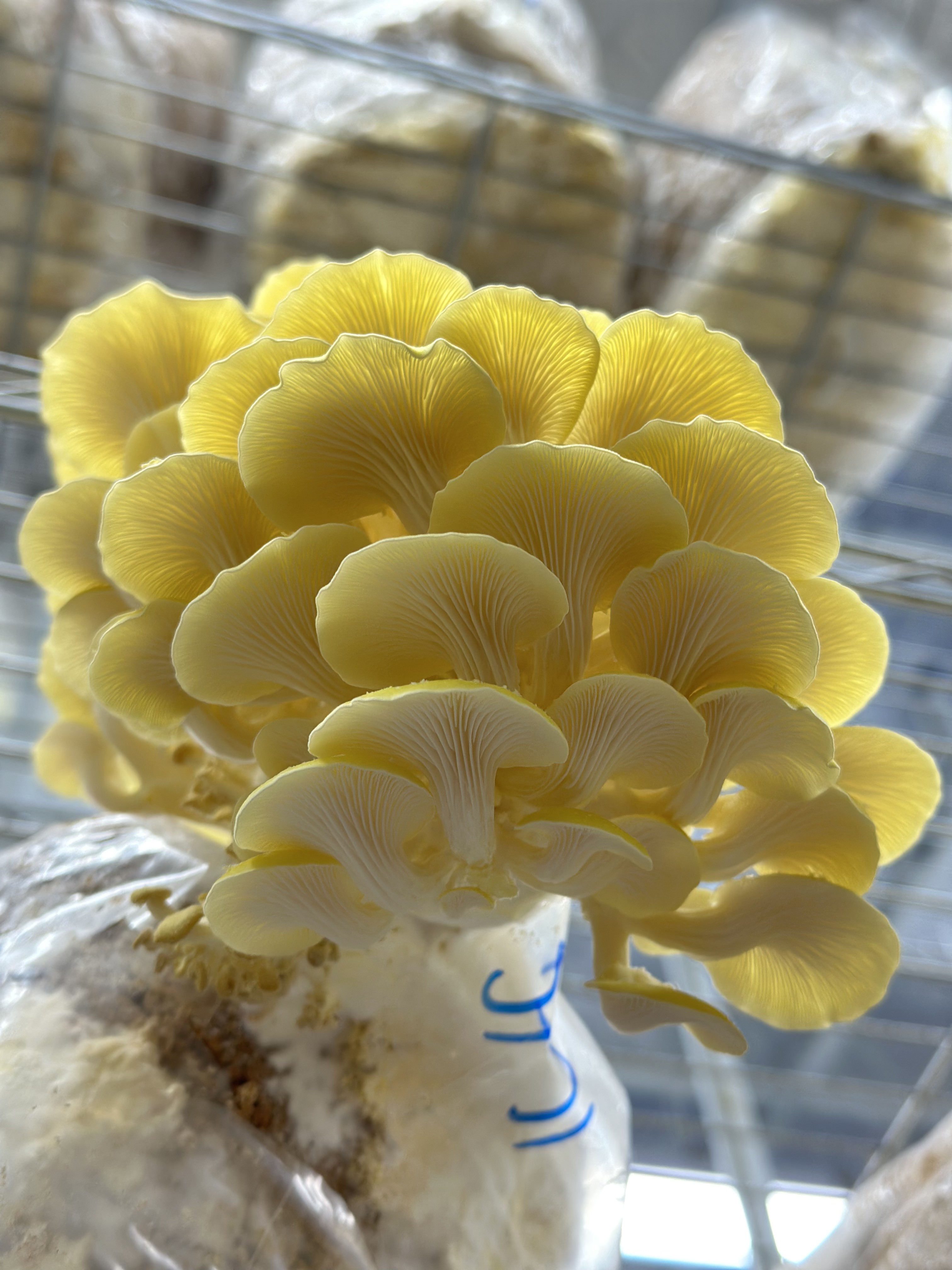
Bright lemon-yellow clusters that look like a bouquet on the substrate. Delicate caps that crisp beautifully — slightly nutty, with a faint cashew sweetness when cooked. The color fades a touch in the pan, so they're at their showiest right out of the bag.

Treat them gently — they cook in seconds, so add them at the very end of a stir-fry, or shave a few raw over a finished noodle bowl. Pair with citrus, fresh ginger, or toasted cashew oil to play up the natural sweetness; avoid heavy red sauces, which bury the nuance.

  • TextureDelicate, crisps fast
  • FlavorMild, nutty, faintly sweet
Stir-fry Cashew dishes Risotto Garnish
Yellow Oyster mushroom cluster — bright lemon caps
Pleurotus eryngii

Field Oyster

Brown caps on a firm, substantial body — mild and savory with a hint of nuttiness. They take heat well and keep their bite, equally at home in a quick stir-fry or a long-simmered stew.

Slice them thick — a quarter-inch or so — and sear like steak, then finish with butter and garlic. They handle strong, dark sauces (soy, black bean, mushroom-stock reductions) without flinching, which makes them a reliable choice for a fast weeknight curry or a stir-fry that needs to feed a crowd.

  • TextureFirm, meaty
  • FlavorMild, savory, nutty
Sauté & stir-fry Soups Grilled Pasta & pizza
Field Oyster cluster
Hericium erinaceus

Lion's Mane

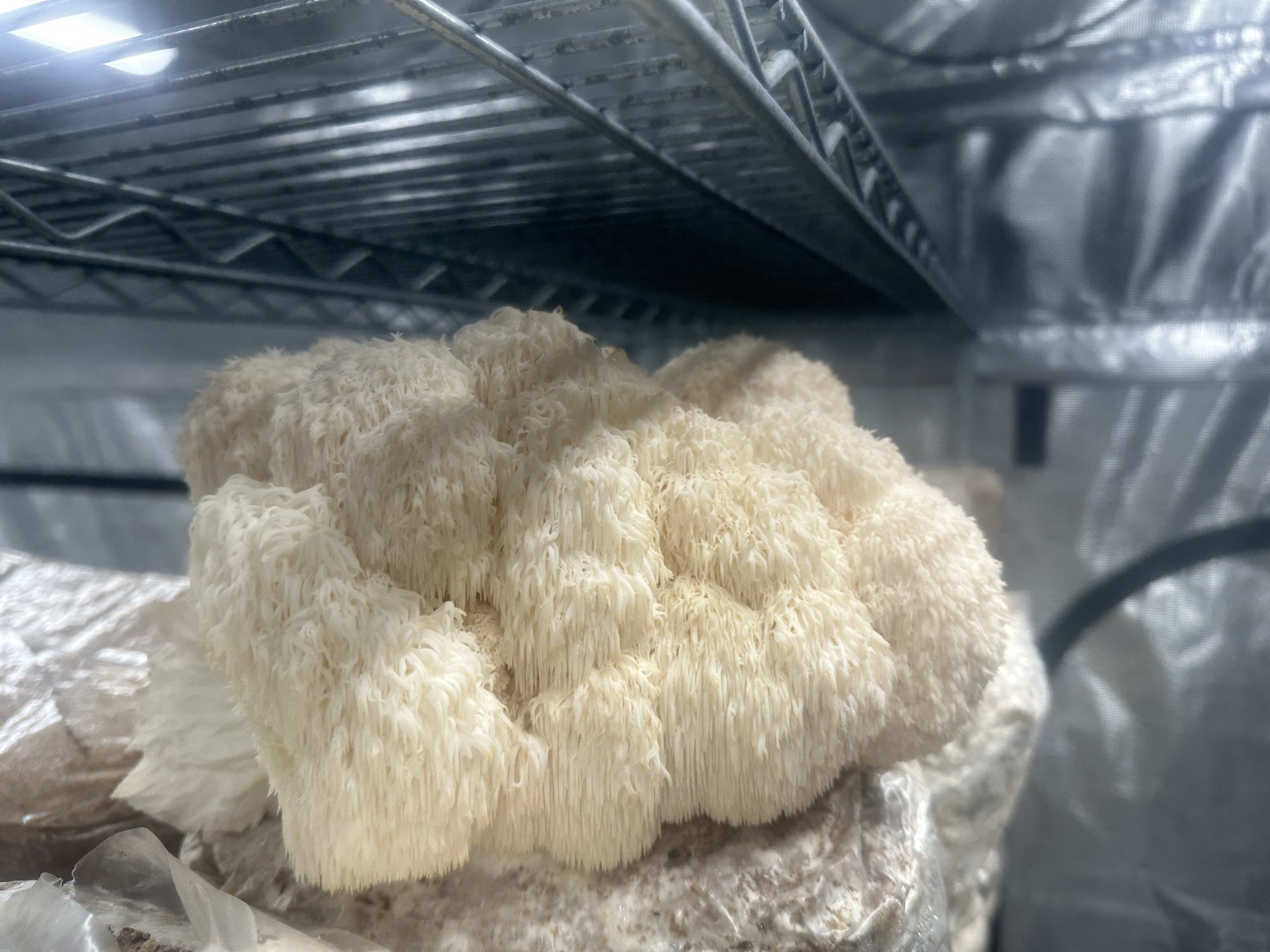
Bright white pom-poms with a texture eerily close to lump crab. Mild, sweet, slightly briny. We grow three isolations — Mane, Pride, and Paw — each with its own personality. Famous as a brain-loving functional mushroom.

Press them flat in a hot pan until the surface turns deep gold and the inside stays tender — they take on a richness that genuinely surprises people. Beyond the kitchen, lion's mane has a growing body of research behind its effects on focus and nerve health; a steeped tea or a long simmer in bone broth is the easiest way to take it daily.

  • TextureCrab-like, dense
  • FlavorSweet, briny
Crab cakes Steaks Brain-tonic tea Gnocchi
Lion's Mane specimen growing in tent
Pholiota adiposa

Chestnut

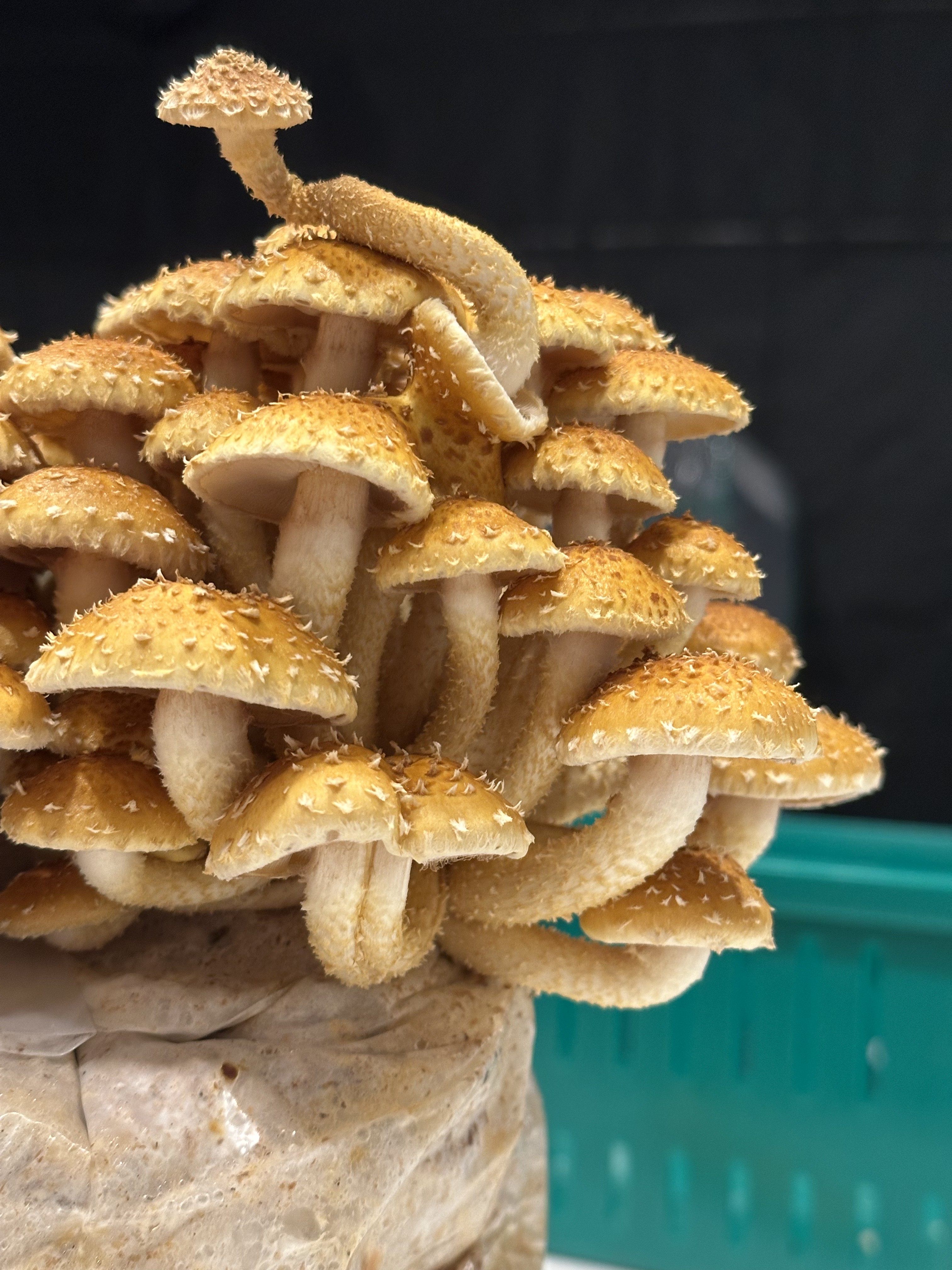
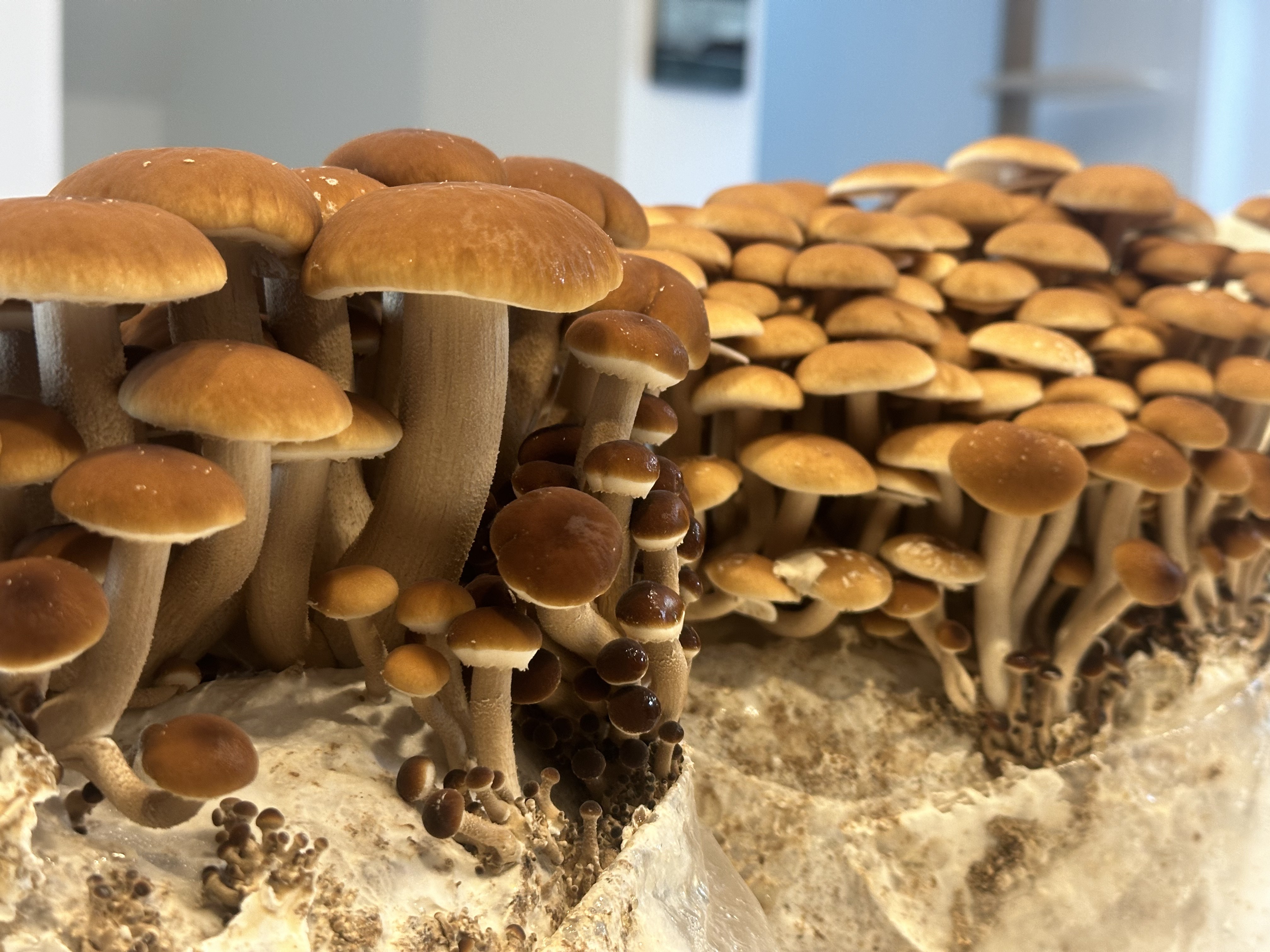
Caramel-brown caps with a glossy, almost lacquered surface. Snap of celery, flavor of toasted hazelnut. They keep their shape beautifully — perfect for any dish where the mushroom is meant to be seen.

Roast them whole at high heat to keep the lacquer on the cap and the snap in the stem; sliced thin and dropped into a clear miso broth, they bring colour, texture, and a quiet sweetness without muddying the bowl. They also pickle exceptionally well — sharp enough to cut through a charcuterie board.

  • TextureCrunchy, holds shape
  • FlavorNutty, woodsy
Roasted whole Risotto Pickled Hot pot
Chestnut mushroom cluster, glossy caramel caps
Agrocybe aegerita

Velvet Pioppino

Long, elegant stems with chocolate-brown caps. Italians have cooked with these for centuries — for good reason. Peppery, earthy, a little sweet, with a satisfying snap that holds up to long braises.

Their stems stay snappy through hours of cooking, which makes them the rare mushroom that actually improves in a long-simmered ragù. Brown the caps separately for plating, then return the stems to the sauce at the end — you get crunch on top and depth underneath. Excellent with beef, red wine, polenta, and anything that wants a back-of-the-throat umami.

  • TextureSnappy, firm
  • FlavorPeppery umami
Slow braise Pizza topping Bolognese Polenta
Velvet Pioppino mushrooms, tall stems and chocolate caps
Sparassis crispa

Cauliflower

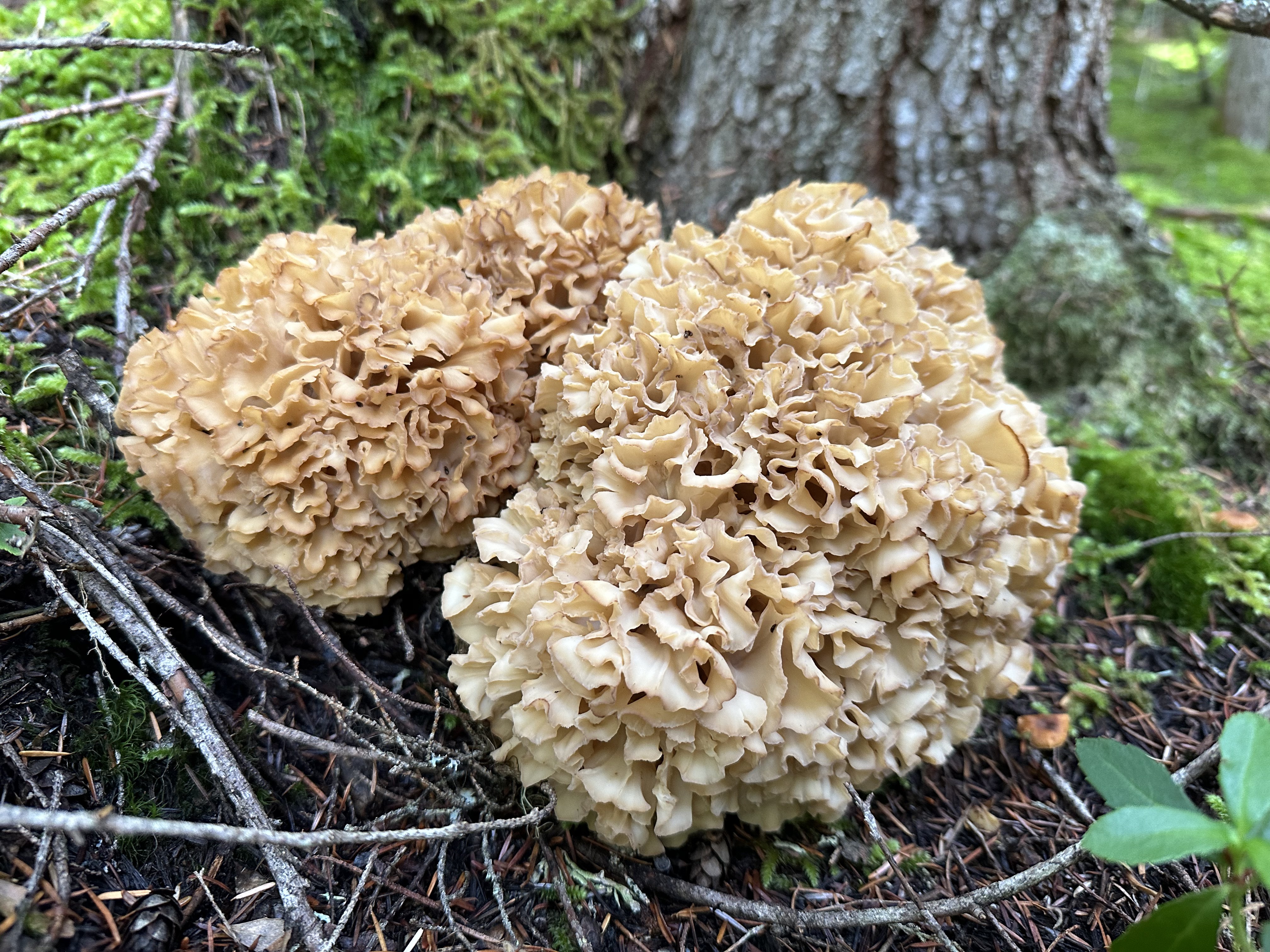
The strangest beauty in the room — frilly, lace-like, almost coral. Picked young, the layers separate into noodle-like ribbons. Rare even in specialty markets; we get a few flushes per year and they vanish quickly.

Tear them gently into bite-sized clusters — the lace catches sauce like nothing else in the kitchen. Tempura is the showstopper preparation; a quick coconut-cream simmer is the everyday one. Wash with care: the folds hide grit, and a hard rinse will bruise them.

  • TextureNoodly, leafy
  • FlavorDelicate, savory
Soup "noodles" Egg foo young Tempura Cream sauce
Cauliflower mushroom (Sparassis crispa), frilly cluster
Grifola frondosa

Hen of the Woods

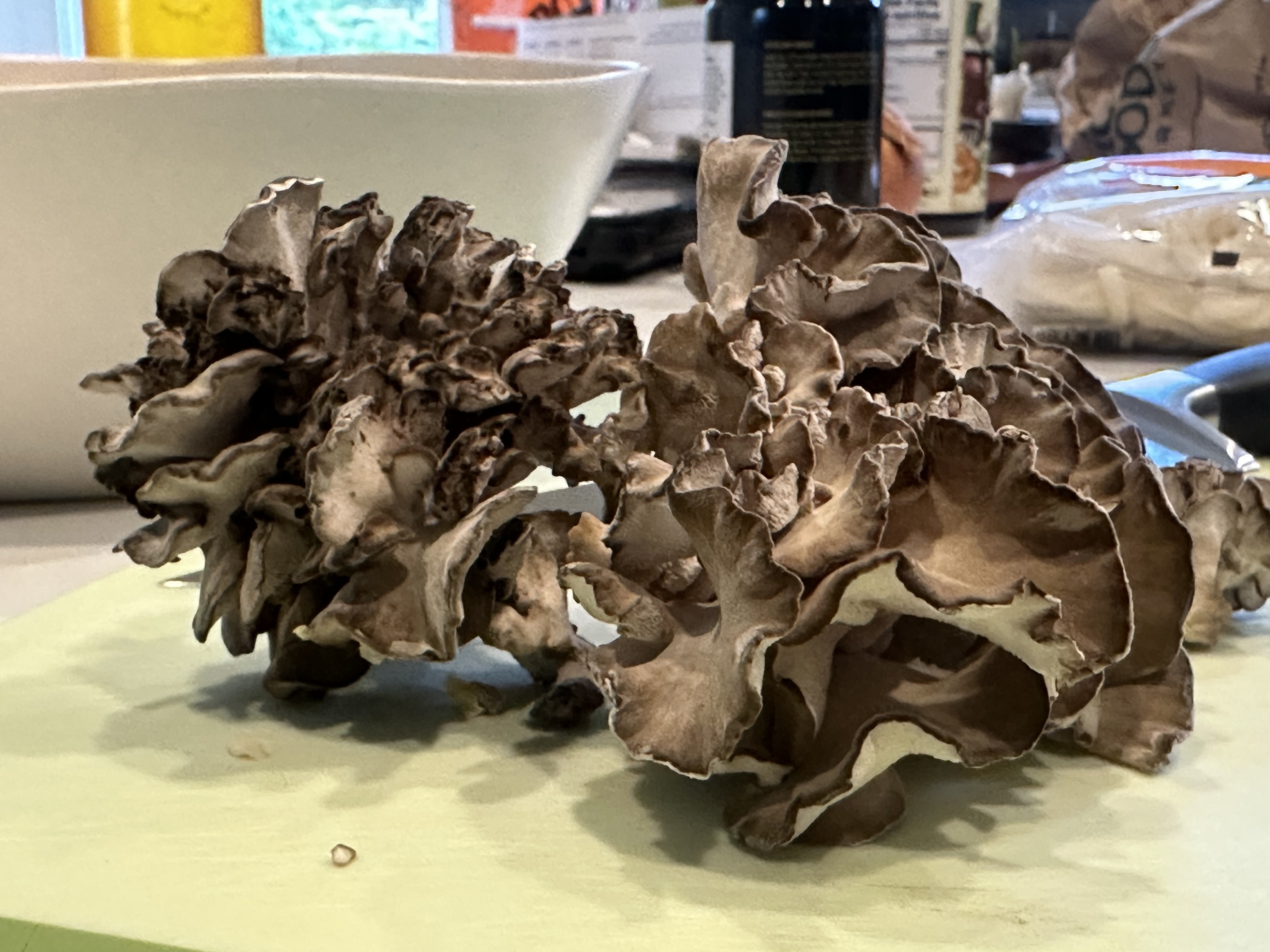
Layered fronds in soft browns and grey, with a flavor that punches well above its weight. Roast it whole, basted in butter, until the edges crisp. The chef's pick during its short window.

Pull the fronds apart at the base and roast each piece on a hot, oiled tray — the edges shatter into something between bacon and toasted nori. In Japanese kitchens maitake is also a quiet staple of dashi and tempura, prized for an umami depth that rivals dried shiitake at a fraction of the price.

  • TextureLayered, meaty
  • FlavorDeep umami
Whole-roasted Brown butter sauté Stock base Pâté
Hen of the Woods (Maitake) — layered fronds
Morchella esculenta

Morel

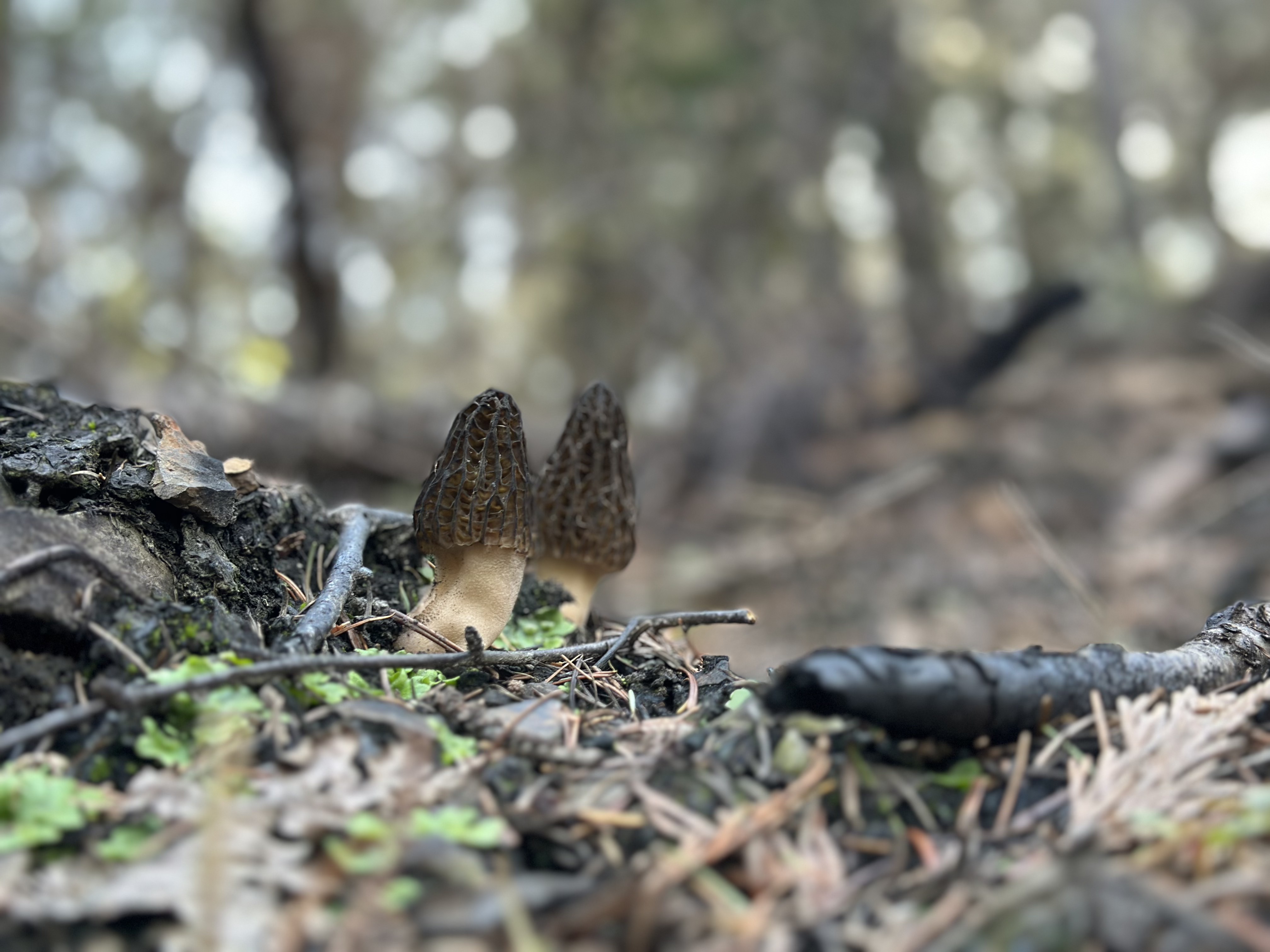
Honeycomb-capped, hollow inside, with one of the most singular flavours in the kitchen — earthy, smoky, and faintly meaty. A short spring-only window makes them one of the most coveted finds of the year. Always cook them; never eat them raw.

Pan-fry in plenty of butter and salt until the edges crisp, or finish with cream and a splash of brandy for the classic French preparation. Their hollow caps drink up sauces — stuff them with goat cheese or sausage and roast. Soak briefly in salted water before cooking; the honeycomb hides grit and the occasional bug.

  • TextureHollow, spongy
  • FlavorEarthy, smoky, nutty
Cream sauce Pan-fry with butter Stuffed Risotto
A pair of morel mushrooms with honeycomb caps
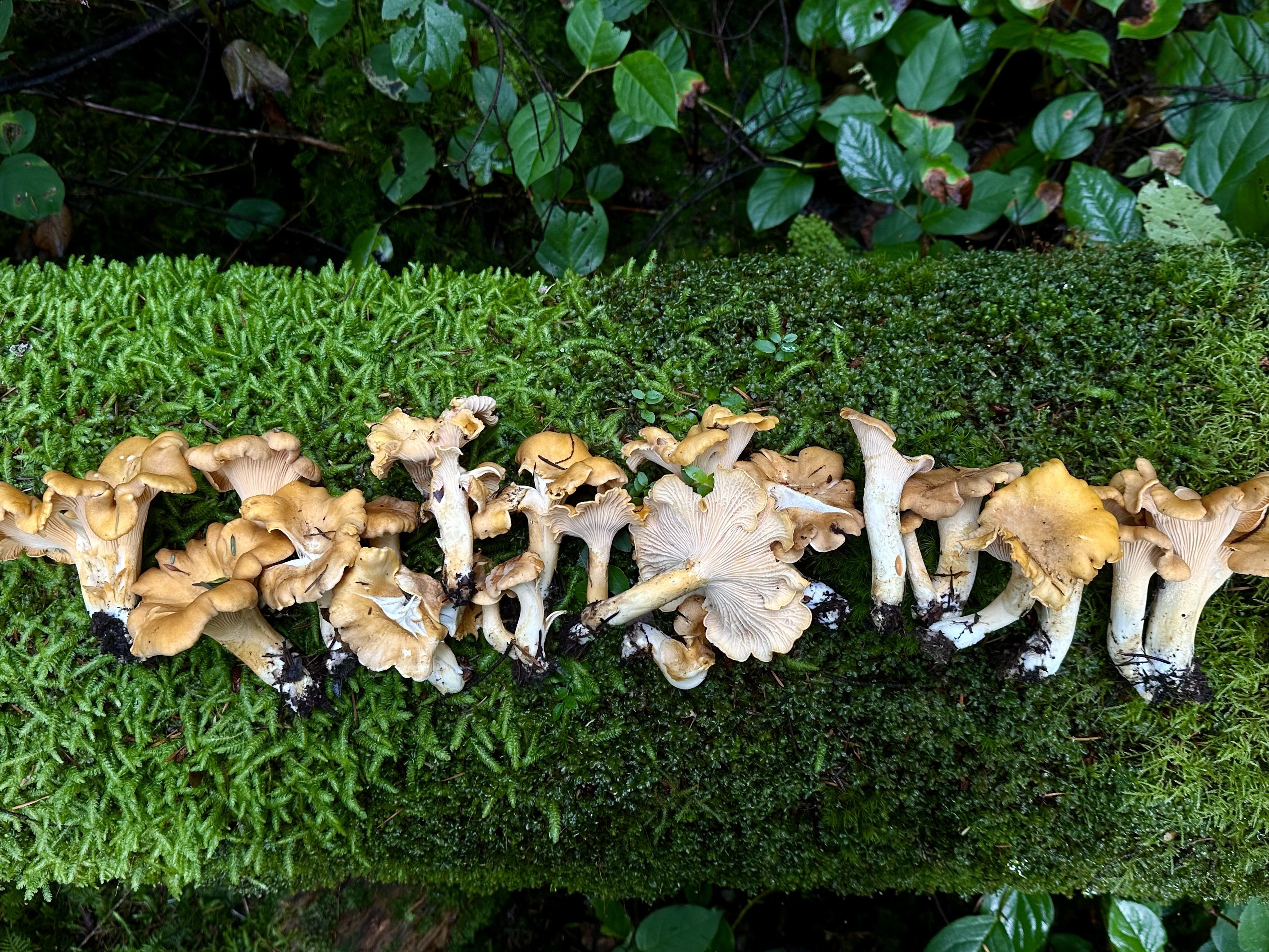
Cantharellus cibarius

Chanterelle

Golden trumpets with the faint, unmistakable scent of fresh apricots. Delicate but firm, with a peppery sweetness that holds up to butter, cream, and stronger cheeses. Coastal forests give us most of our flushes from late summer through fall.

Tear them by hand instead of slicing — the irregular edges catch sauce better. Sauté gently in butter to draw out their water first, then push the heat to brown the edges. They have a near-mythic affinity for eggs, cream, and stone fruit; try them folded into an omelette, draped over pasta, or simmered into a beurre noisette for fish.

  • TextureFirm, slightly chewy
  • FlavorPeppery, apricot-sweet
Cream pasta Omelettes Beurre noisette Risotto
A row of golden chanterelle mushrooms on a mossy log
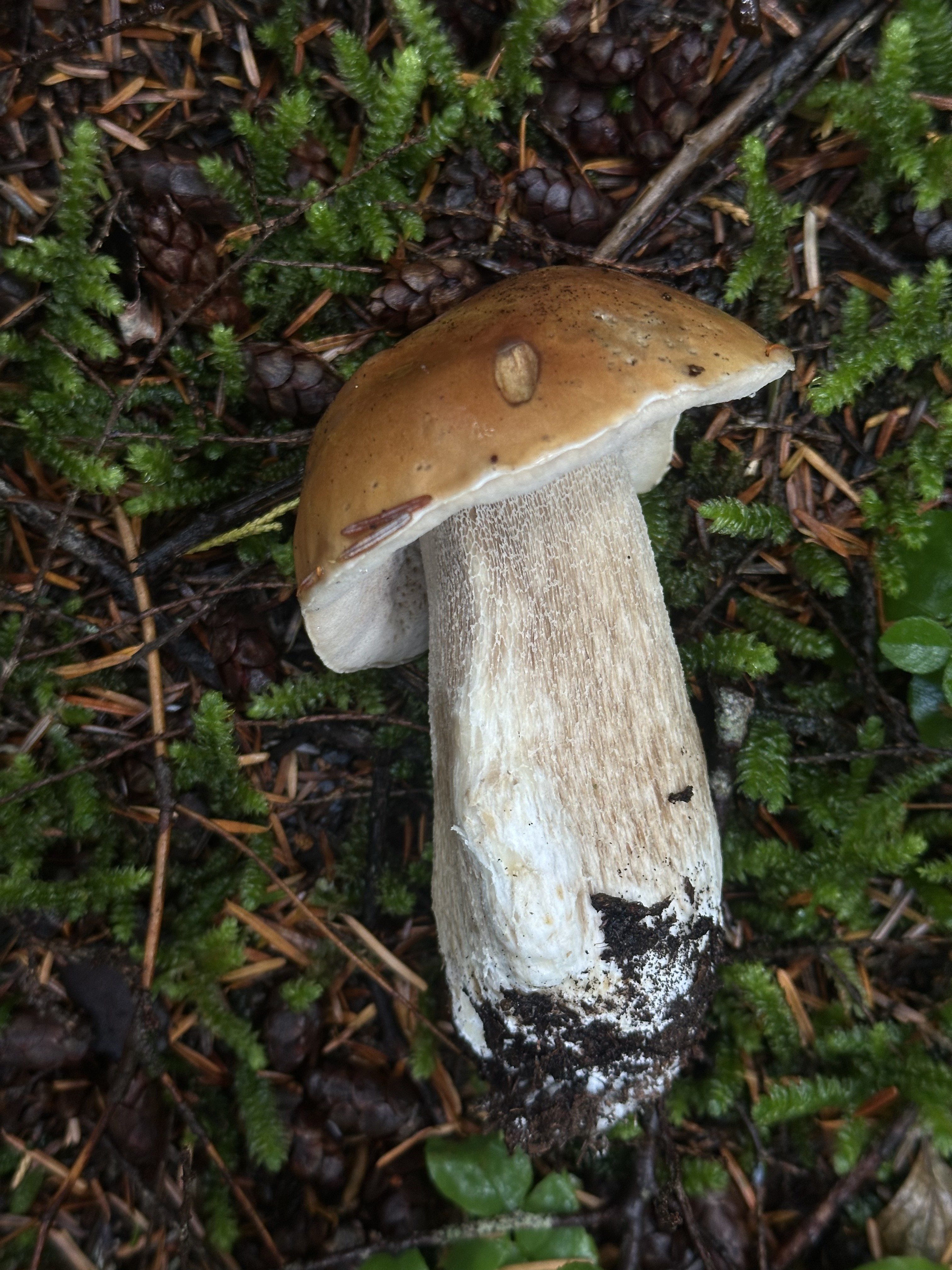
Boletus edulis

Porcini

The king. A thick white stem, a glossy brown cap, and an aroma that's been written about in Italian cookbooks for centuries — nutty, woodsy, deeply savoury. The flavour intensifies dramatically when dried, which is why porcini powder and dried slices are kitchen staples even where the fresh ones are rare.

Fresh, slice them thick and sear in olive oil with garlic and thyme — they'll hold their bite and brown beautifully. Dried, rehydrate in warm water (save the soaking liquid for stock) and add to risottos, pastas, or long-braised meats. A single ounce of dried porcini can transform an entire pot.

  • TextureDense, meaty
  • FlavorNutty, woodsy, deeply umami
Risotto Pasta Seared with herbs Dried for stock
A single porcini mushroom in pine duff
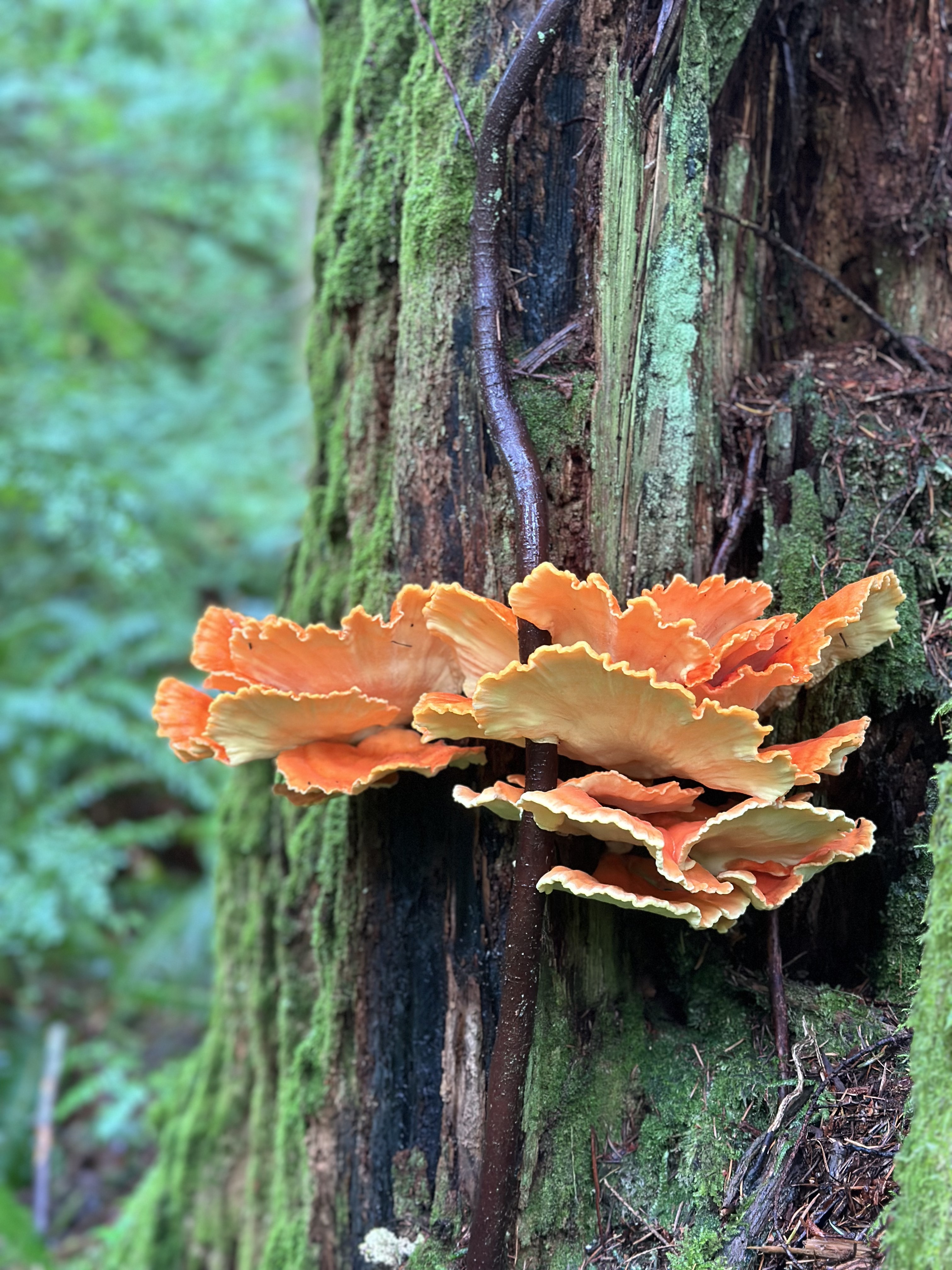
Laetiporus sulphureus

Chicken of the Woods

Brilliant orange and sulphur-yellow shelves that grow in dramatic, overlapping tiers on living and dying hardwoods. The young growing edges have a startlingly meaty texture — tender, white when sliced, with a flavour and chew genuinely reminiscent of poultry. Older shelves go woody, so we pick small and pick often.

Slice off the soft outer inch, dredge in seasoned flour, and pan-fry in butter for a no-joke vegetarian "fried chicken." It also takes well to long braises, curries, and pulled-style sandwiches with a smoky sauce. Always cook thoroughly — raw chicken-of-the-woods can upset some stomachs even in well-tolerated identifications.

  • TextureTender, fibrous, chicken-like
  • FlavorMild, savoury, poultry-adjacent
Fried "chicken" Tacos Braised & pulled Curry
Bright orange Chicken of the Woods shelves on a mossy tree trunk
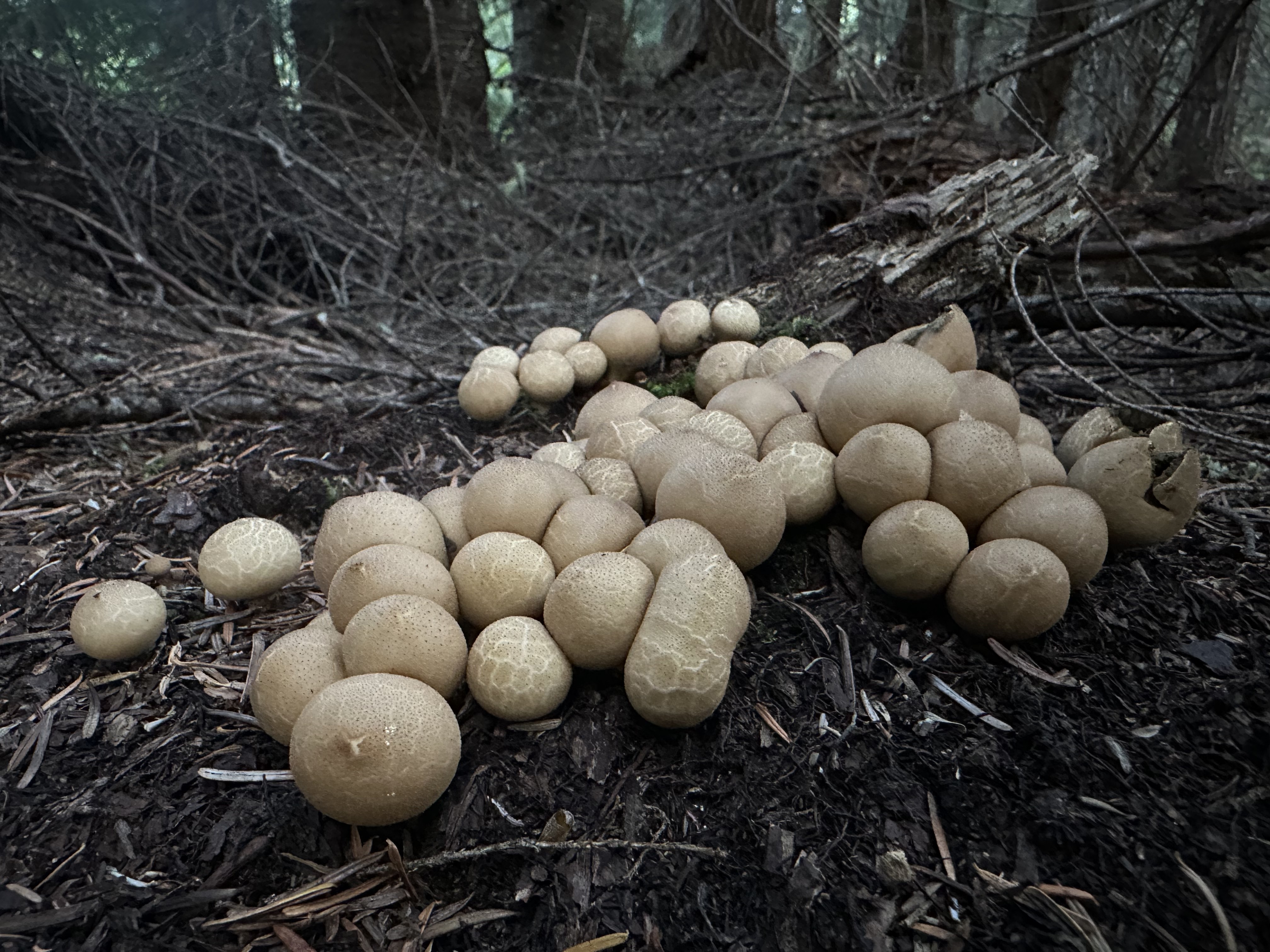
Lycoperdon perlatum

Puffball

Pure white, golf-ball–sized spheres that materialize overnight in mossy forest patches after warm late-summer rains. Inside, a clean white flesh as dense and uniform as fresh tofu — no gills, no stem, just one tofu-like morsel. Only eat them while the interior is pure white; any yellow or olive tint means they've matured and are no longer safe.

Halve them through the middle, or quarter the bigger ones, and sauté in plenty of butter until lightly golden — they go from raw to silky in under a minute. They also love a quick stir-fry with garlic and ginger, or skewered whole on the grill. Mild and earthy, so they take seasoning well; finish with salt, thyme, and a squeeze of lemon.

  • TextureDense, tofu-like
  • FlavorMild, faintly earthy
Buttery sauté Stir-fry Skewered & grilled Soups & broths
Cluster of white puffball mushrooms on the forest floor
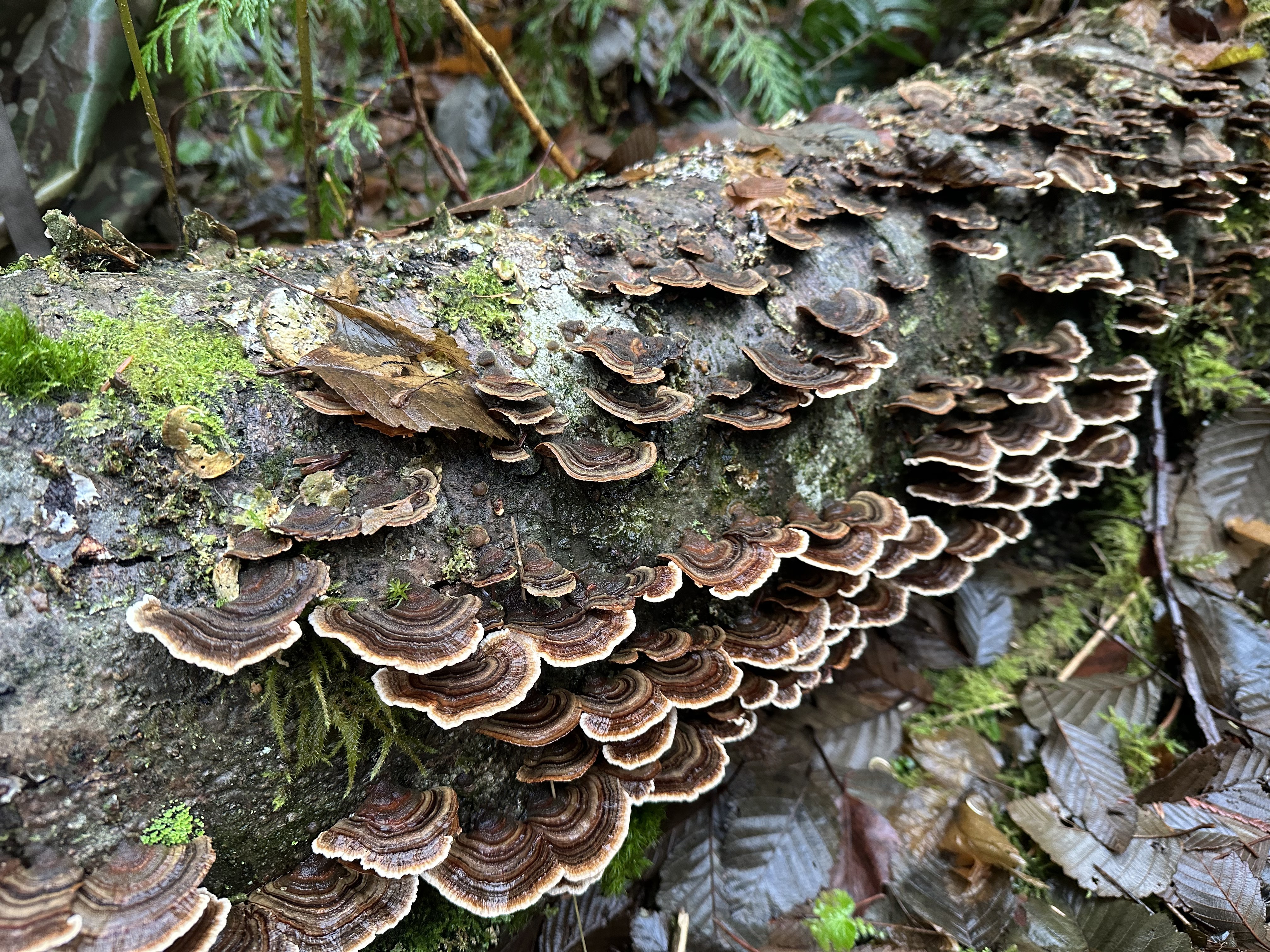
Trametes versicolor

Turkey Tail

Thin, leathery fans arranged in concentric bands of brown, cream, rust, and grey — like the tail feathers of a wild turkey laid against a fallen log. Common on hardwood downwood across our coastal forests, year-round. Tough to chew, but rich in polysaccharides that have made it one of the most studied medicinal mushrooms in the world.

We dry and grind our turkey tail for tea, tincture, and bone-broth additions. A long, low simmer (45 minutes or more) coaxes the active compounds into the water; the resulting brew is earthy and tannic, often combined with ginger, honey, or other adaptogenic mushrooms. Not a kitchen mushroom in the cooking sense — but a staple in many home apothecaries.

  • TextureTough, leathery
  • FlavorEarthy, faintly bitter
Dried tea Tincture Bone broth Adaptogenic blends
Turkey tail mushrooms with concentric banded fans on a mossy log
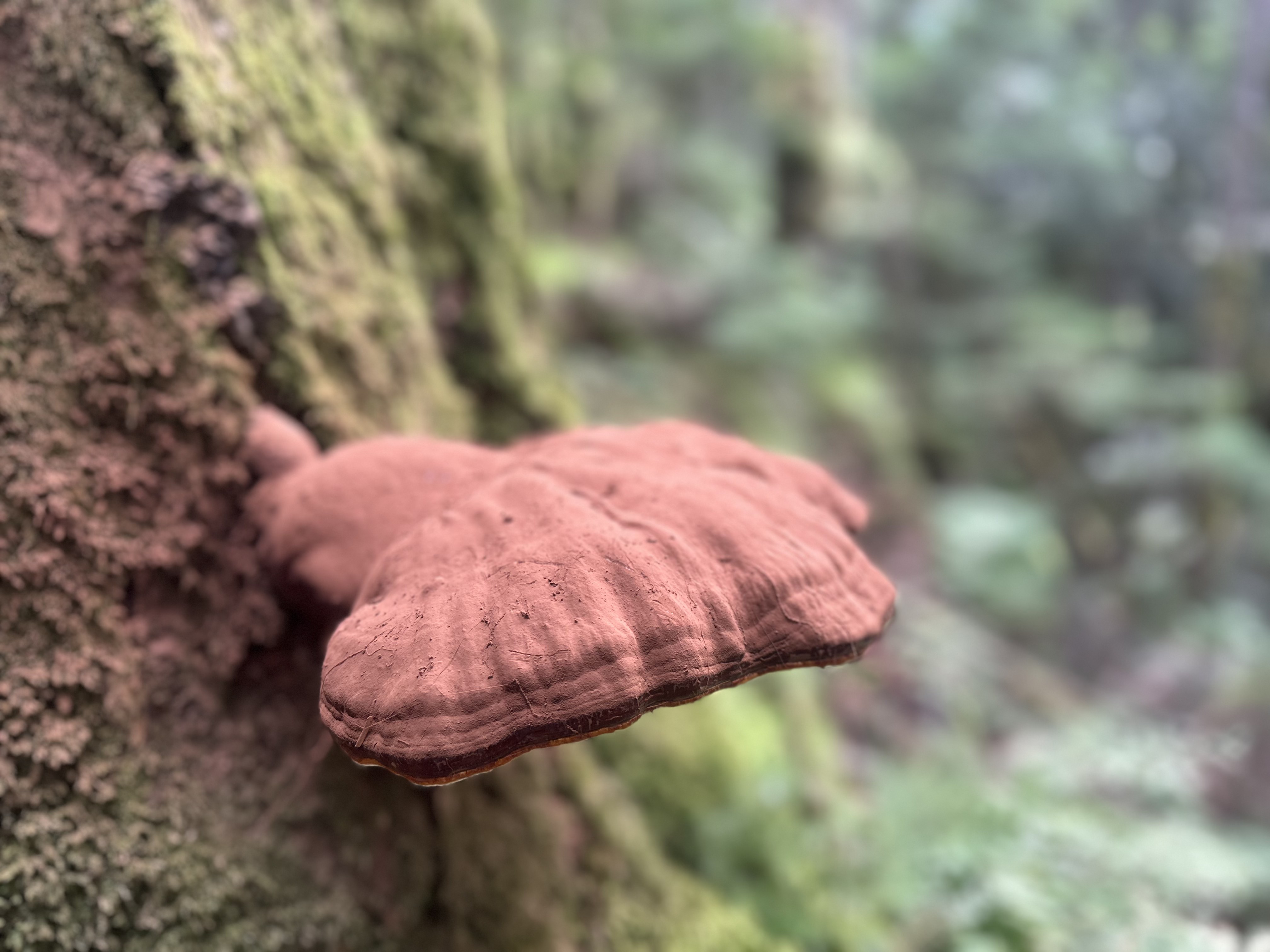
Ganoderma oregonense

West Coast Reishi

The Pacific Northwest's own giant reishi — glossy, lacquered shelves in deep ox-blood red, often growing waist-high on standing or fallen conifers. Less famous than its Asian cousin but botanically and medicinally similar, with the same dense polysaccharide and triterpene profile that's made reishi a fixture of traditional medicine for two millennia.

Far too woody to eat. We slice the fresh fruiting bodies thin, dry them at low temperature, and powder or decoct from there. A long simmer (an hour or more) draws out the bitter-earthy compounds; sweeten with raw honey, blend with ginger, or use the resulting "double extract" as the base of a nightly tonic. Some call it the mushroom of immortality — we'll settle for "the one that gets you through January."

  • TextureHard, woody (medicinal use)
  • FlavorDeep, bitter, earthy
Decocted tea Double extract Powdered into broth Tincture
A large West Coast reishi shelf mushroom on a mossy tree trunk

See what's on the shelf today.

The shop updates each morning with what we picked. If it's there, it's fresh — and there's only ever as much as the grow rooms gave us.